Craft · Bhaktapur
The disappearing potters of Bhaktapur
Pottery Square has been making clay for 600 years. There are eight working families left. A short report on what's at stake.
Pottery Square has been making clay for 600 years. There are eight working families left. A short report on what's at stake.
The disappearing potters of Bhaktapur
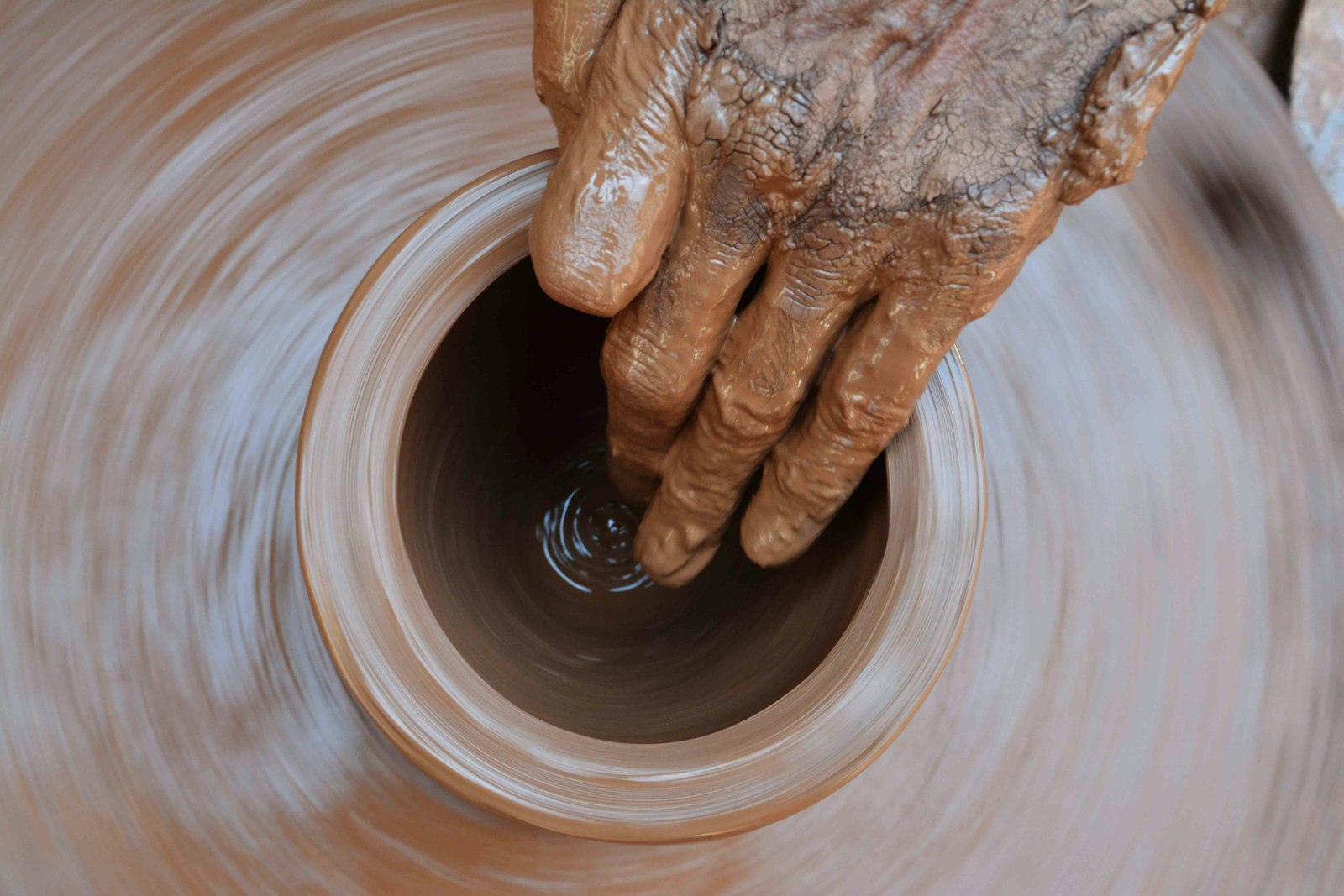
Bhaktapur's Pottery Square — the small, unassuming open space south of the main Durbar Square, where you can still see clay drying in long flat rows on a sunny afternoon — has been a working pottery for at least six hundred years.
It will probably not exist as a working pottery in another twenty.
The numbers
I asked the family I always buy from. In the 1980s, around forty households were making pottery on the square. Today, eight families still work clay full-time. The rest sell finished pots their parents made, or have moved into souvenir shops.
The reasons are the reasons every traditional craft is dying. Plastic is cheaper. Aluminium is cheaper. Local clay (sourced from the same fields outside Bhaktapur for centuries) is harder to find as those fields turn into apartment blocks. Sons and daughters become accountants. Imports are everywhere — the small terracotta diyas you light at Tihar are probably from a factory in Uttar Pradesh.
The few clay objects that still sell are the ones that are only clay: juju dhau pots (which the yoghurt-makers buy), and the small chiya cups (which Newari tea stalls still prefer). Everything else is being slowly outcompeted.
What can be done
Honestly? I don't know. I am not going to pretend a casual blog post has the answer to a structural problem. But here are three small things if you visit:
Why I care
Six hundred years is a long time. Most things don't last that long. When something does, and it's still alive, and it's still being made by hand on a square you can stand on — and it's about to stop — that's worth at least a paragraph and a Rs 200 pot.