Neighborhood · Kathmandu
The Boudha kora at dawn
By 5:45 the first monks are circling. By 7 the tour buses arrive. The hour in between is the version of Boudha locals love.
By 5:45 the first monks are circling. By 7 the tour buses arrive. The hour in between is the version of Boudha locals love.
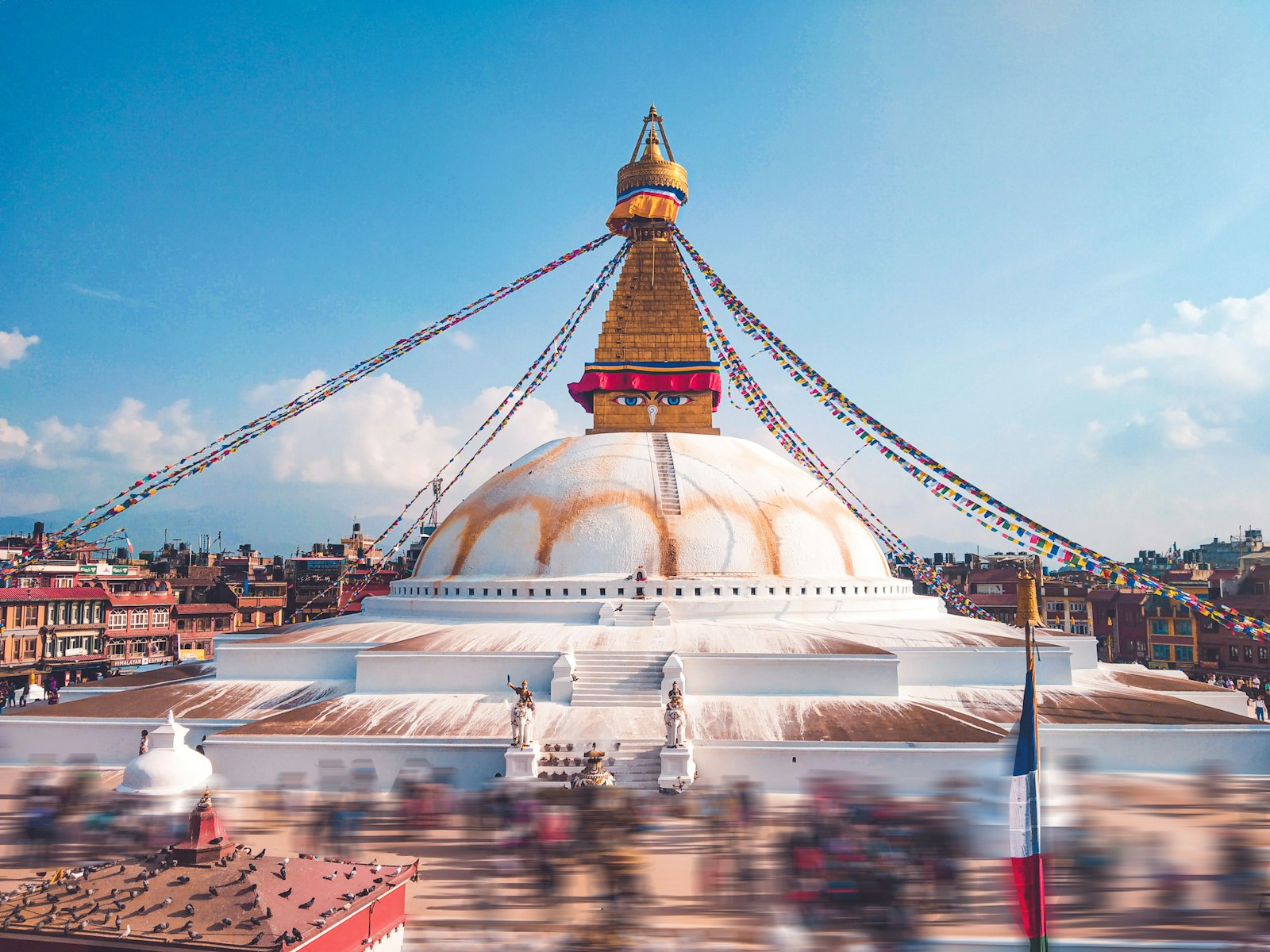
The kora at dawn
The Boudhanath stupa is one of the few places in Kathmandu where the time of day completely changes what the place is.
If you arrive at 9am like most visitors, the kora — the clockwise circumambulation of the stupa — is shoulder-to-shoulder. Bus tours from Pokhara, day-trippers from Thamel, photographers with monopods, monks with phones, a few cows. The shops are open. The cafés are spilling out. It is wonderful, but it is busy.
Come at 5:45.
The first monks are already two laps in. You can hear the murmur of mantras low under the prayer wheels. The smell of butter lamps drifts from the side temples. The light, when it arrives, hits the eyes of the stupa first — those four pairs of eyes, looking out at the cardinal directions — and works its way down to the white dome. By the time it reaches the base, the rest of the city is still asleep.
This is not a secret. Every Boudha local knows. But for some reason most of the city's tourists don't.
What to do
Walk the kora three times. (Tradition is at least three; locals do many more.) Stop at the southwest corner where there's an old woman selling cardamom tea from a thermos for Rs 30. Don't take pictures of the monks unless you ask. You don't need to spin every prayer wheel — but spinning them in passing, lightly, with the right hand, is the friendly thing.
When to leave
By 7am the buses arrive. That's your signal. Walk back into Boudha proper, find Gita Cafe (the unmarked one above the western gate, not the one with the sign), order tea-and-toast, watch the morning fill up.
This is the Boudha worth getting out of bed for.